Small business owners face a critical decision with every shipment they send. They must balance product protection, customer experience, and environmental responsibility. Minimalist packaging offers a solution that addresses all three concerns while reducing costs.
What Minimalist Packaging Means
Minimalist packaging strips away unnecessary elements. It eliminates excess materials, excessive branding, and non-essential inserts. The approach focuses on functionality over flashy presentation.
Traditional packaging often includes multiple layers of protection, colorful inserts, branded tissue paper, stickers, and promotional materials. Minimalist packaging uses only what protects the product during transit.
The Environmental Case
A 2025 sustainable packaging study of more than 2000 consumers by Shorr Packaging shows the strength of sustainability in consumer demand. 90% said they are more likely to purchase from a brand or retailer if its packaging is eco-friendly. 54% of respondents reported deliberately choosing products with sustainable packaging in the past six months.
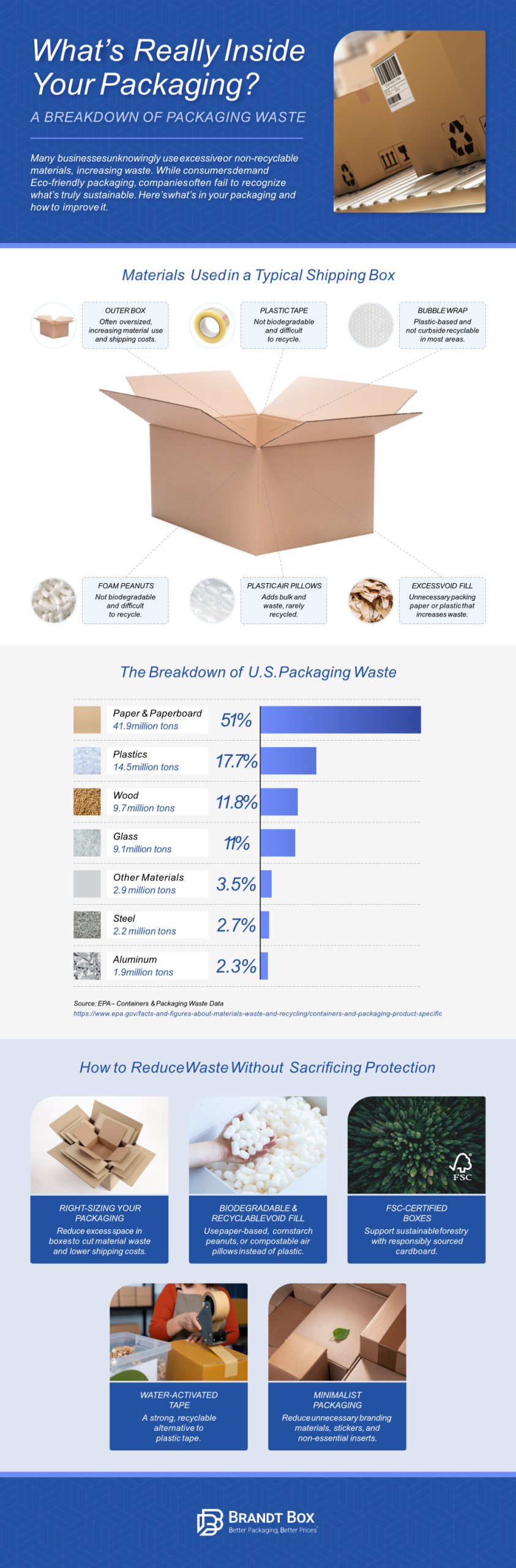
Paper and paperboard packaging creates 41.9 million tons of waste annually in the United States. Plastic packaging adds another 14.5 million tons. Every unnecessary insert or oversized box contributes to this growing problem.
Minimalist packaging reduces waste in several areas. It uses fewer materials, requires less energy to produce, and creates less disposal burden for customers. This reduction benefits both the environment and business costs.
Cost Benefits for Small Businesses
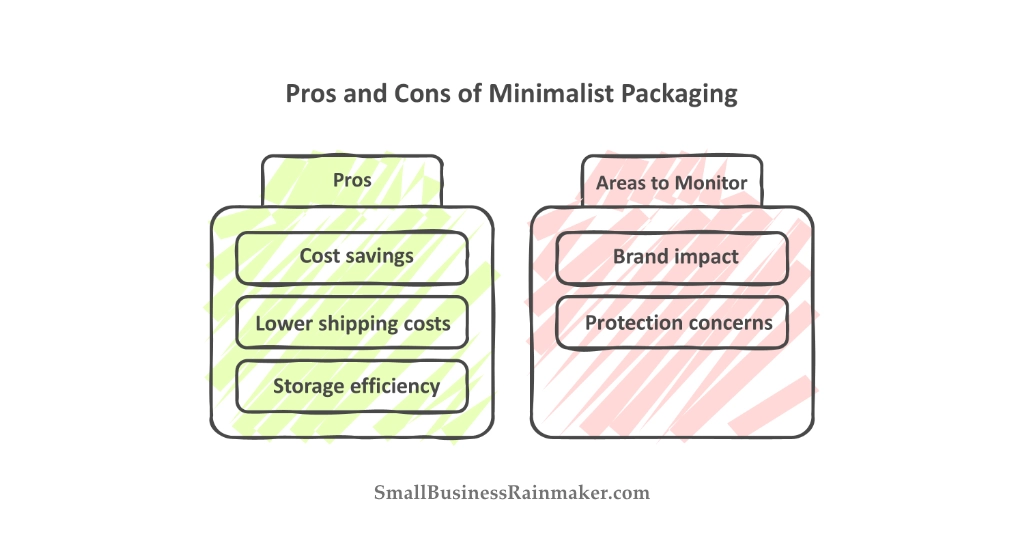
Minimalist packaging delivers immediate cost savings. Fewer materials mean lower purchasing costs. Smaller packages reduce shipping expenses through dimensional weight pricing.
✅ Material Costs Drop Significantly
Traditional packaging might include branded boxes, tissue paper, stickers, promotional inserts, and multiple protective layers. Each element costs money. Minimalist approaches eliminate most of these expenses.
A small clothing retailer might spend $3.50 per package on traditional packaging materials. The same retailer could reduce costs to $1.80 per package with minimalist alternatives. Over 1,000 shipments, this saves $1,700.
✅ Shipping Costs Decrease
Shipping companies charge based on weight and size. Minimalist packaging reduces both factors. A properly sized box with minimal void fill can drop shipping costs by 15-25%.
✅ Storage Efficiency Improves
Businesses store packaging materials in warehouses or storage areas. Minimalist approaches require less storage space. This efficiency either reduces storage costs and frees up space for inventory or for high-value operations.
Customer Experience Benefits
Modern customers appreciate thoughtful packaging. They prefer packages that open easily, create minimal waste, and feel purposeful. Minimalist packaging often delivers a superior customer experience.

✅ Unboxing Becomes Effortless
Complex packaging frustrates customers. Multiple layers of tape, excessive void fill, and unnecessary inserts slow down the unboxing process. Minimalist packaging allows customers to access their purchases quickly.
✅ It Reduces Anxiety About Waste
Customers increasingly feel guilty about packaging waste. They appreciate businesses that minimize environmental impact. This appreciation builds brand loyalty and encourages repeat purchases.
✅ It Creates a Premium or Luxury Perception
Minimalist packaging can appear more premium than cluttered alternatives. Clean, simple presentation suggests quality and thoughtfulness. Many luxury brands use minimalist approaches to convey sophistication.
Implementation Strategies
Small businesses can transition to minimalist packaging through systematic changes. The process requires careful planning but delivers quick results.
❑ Audit Current Packaging
Examine every element in current packaging. List materials, measure costs, and identify unnecessary components. This audit reveals opportunities for elimination.
❑ Right-Size Packaging
Choose boxes that match product dimensions closely. Oversized boxes require excessive void fill and increase shipping costs. Proper sizing eliminates both problems. Custom packaging is also easy and affordable these days, thanks to digital printing processes. Digital packaging also allows for unlimited versioning to accommodate SKU’s, store locations, model numbers, colors, and more. It also makes it easy to test prototype packaging designs.
❑ Select Single-Purpose Materials
Each packaging element should serve a specific protection function. Eliminate purely decorative elements where possible. Focus on materials that protect products during transit.
❑ Test Protection Levels
Reduced packaging must still protect products adequately. Test new approaches with sample shipments. Monitor damage rates to ensure protection remains sufficient.
Material Selection Guidelines
Minimalist packaging requires smart material choices. The best materials serve multiple functions while maintaining environmental friendliness.
❑ Paperboard Boxes
Choose FSC-certified boxes sized appropriately for products. Right-sized boxes eliminate most void fill needs while supporting sustainable forestry practices.
Another important sustainability feature of paper board boxes is that custom packaging inserts can be designed and printed on the same sheet as the outer packaging. This reduces both printing and paper costs.
❑ Water-Activated Tape
Replace plastic tape with water-activated alternatives. This material provides strong adhesion and remains recyclable with cardboard boxes.
❑ Paper-Based Void Fill
When void fill becomes necessary, use paper-based options. These materials provide protection and are recyclable and biodegradable.
Common Implementation Mistakes
Small businesses often make predictable errors when adopting minimalist packaging. Awareness of some of the more common packaging mistakes prevents costly problems.
❌ Under-Protection
Removing too much protection increases damage rates. Monitor damage claims carefully during transitions. Adjust protection levels if damage increases significantly.
❌ Brand Elimination
Minimalist packaging should never eliminate branding entirely. Include essential brand elements while removing excess materials. Simple logos or brand colors maintain recognition.
❌ Customer Communication Gaps
Some customers expect traditional packaging experiences. It helps to communicate environmental benefits clearly. Help customers understand why changes benefit them and the environment.
Measuring Success
Track specific metrics to evaluate minimalist packaging performance. Here are a few measurements to guide future improvements and demonstrate return on investment.
❑ Cost Metrics
Monitor packaging material costs per shipment. Track shipping cost changes. Calculate total cost savings monthly.
❑ Customer Metrics
Measure customer satisfaction through surveys or reviews. Track return rates and damage claims. Monitor repeat purchase rates.
❑ Environmental Metrics
Calculate waste reduction per shipment. Track material weight decreases. Measure packaging volume reductions.
Future Considerations
Minimalist packaging trends will continue to grow. Small businesses that adopt these practices early gain competitive advantages.
Packaging regulations may become stricter. Businesses that already operate with minimal waste face fewer adjustment challenges. Absent any new packaging regulations, early adopters nevertheless build stronger customer loyalty through demonstrated environmental commitment.
Technology improvements will make minimalist packaging easier to implement. New materials offer better protection with less bulk. Automated sizing systems help businesses choose optimal box dimensions.
Getting Started with Sustainable Minimalist Packaging
Begin minimalist packaging transitions with small tests. Choose less fragile products for initial trials. Gradually expand successful approaches to more product categories.
Partner with packaging suppliers who understand sustainability goals. Many suppliers offer consultation services to help businesses optimize packaging choices.
Document all changes and results carefully. This documentation helps refine approaches and demonstrates success to stakeholders.
Minimalist packaging represents smart business strategy. It reduces costs, improves customer experience, and supports environmental goals. These simple tactics can position small companies for long-term success in an increasingly eco-conscious marketplace.
The infographic below is courtesy of Brandt Box.